Bulgaria's new AXIS Q1686-DLE speed cameras — where they are already up
One model is appearing everywhere — from Kostinbrod to Etropole and the toll gantries around Sofia. Here is what the AXIS Q1686-DLE measures, where it is already mounted, and why there is no flash at night.
TollTracker for iOS and Android
Speed cameras, average speed and enforcement zones, always up to date.
Bulgaria's new AXIS Q1686-DLE speed cameras — where they are already up
Over the past few weeks new fixed speed cameras have started appearing across Bulgaria in numbers. It is the same model everywhere — the AXIS Q1686-DLE — and it now carries type approval from the Bulgarian Institute of Metrology. In plain terms: what it records becomes a valid electronic fine notice.
We have put together what is known so far — what the camera can do, where it is already mounted, and what that means from behind the wheel.
What the AXIS Q1686-DLE actually is
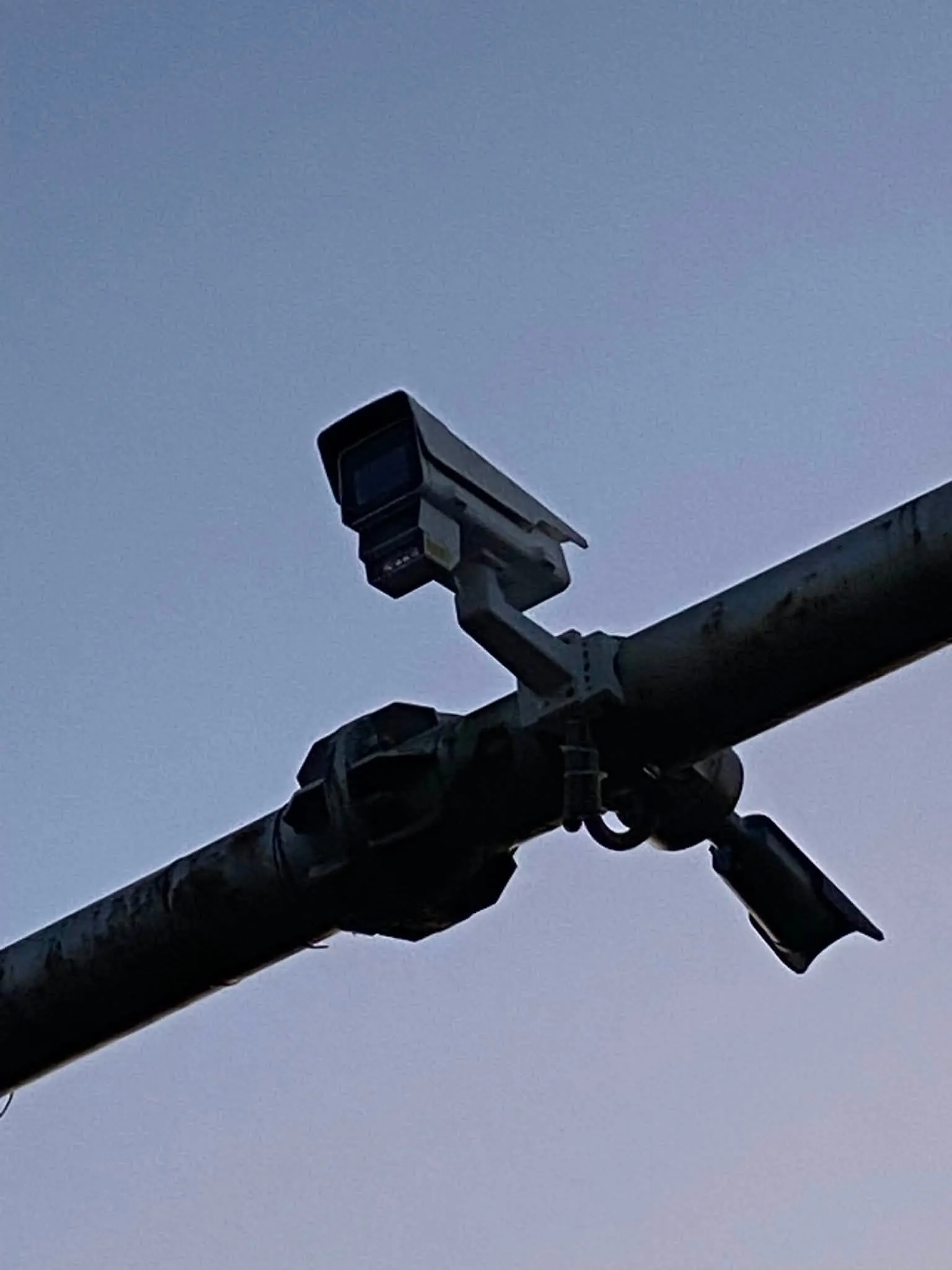
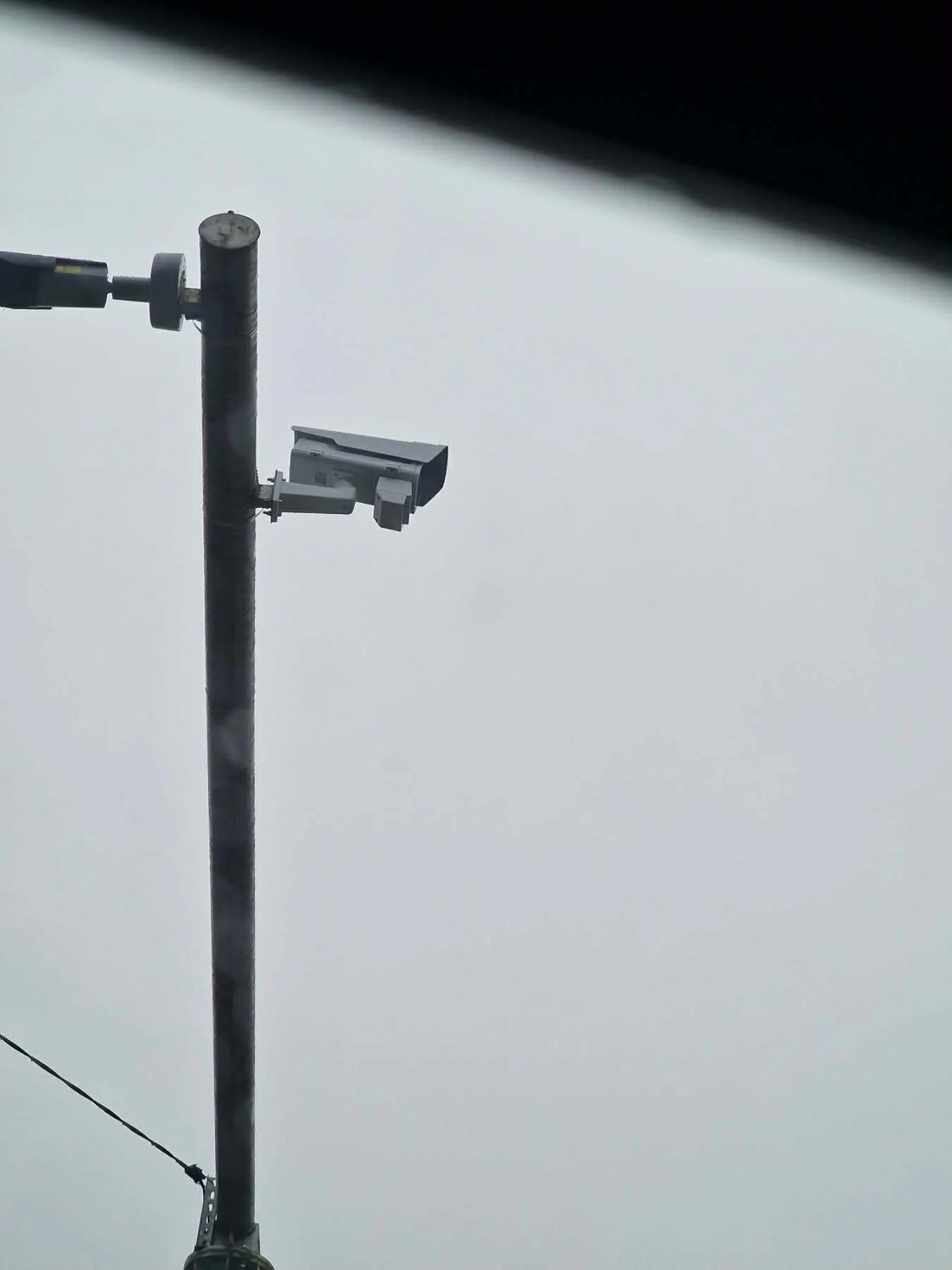
It is made by the Swedish manufacturer Axis Communications AB and imported into Bulgaria by ALSO Bulgaria EOOD. The camera measures instantaneous speed with a built-in radar — everything sits in one housing, with no separate radar box bolted alongside.
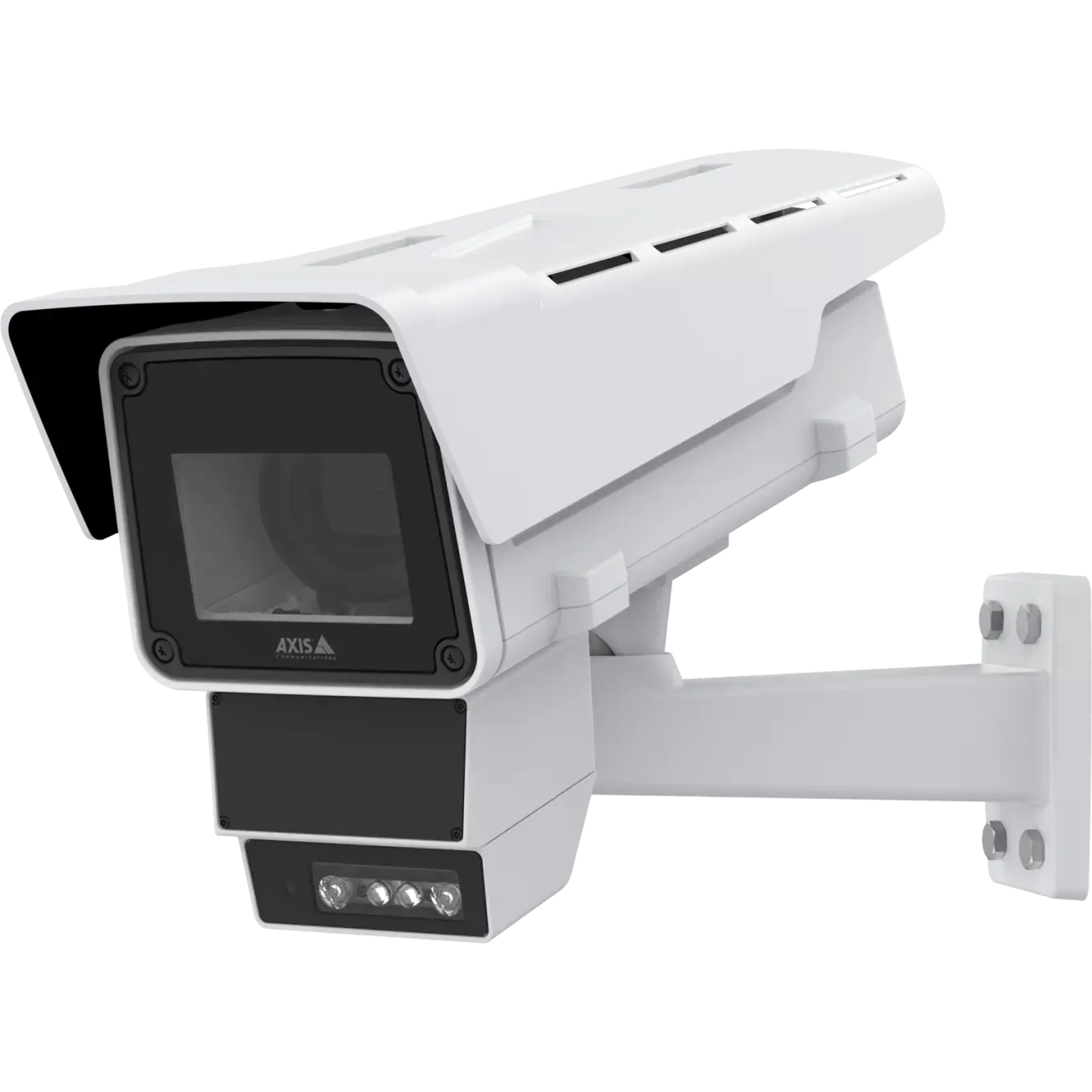
Its metrological specification is public. The parts that matter:
- Measuring range: 30 to 200 km/h
- Permitted error in real conditions: ± 3 km/h up to 100 km/h, ± 3% above that
- Lanes covered: up to 2 lanes, in both directions — it clocks approaching and departing vehicles alike
- Radar: 61.0–61.5 GHz, FMCW type
- Measurement zone: 30 to 50 metres
- Illumination: infrared at 850 nm — no glare, and nothing that looks like a flash
- Operating temperature: −40 °C to 60 °C
Two lines on that list deserve a second read. The first is the bidirectional coverage: a single camera watches both directions, so "I'm past it, I'm clear" no longer holds. The second is the infrared illumination — at night there is no visible flash at all. You find out you were clocked when the notice arrives.
Why they are appearing now, and exactly there
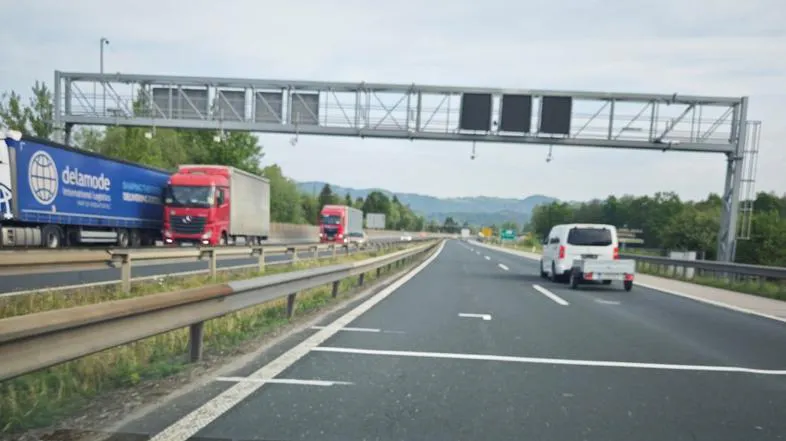
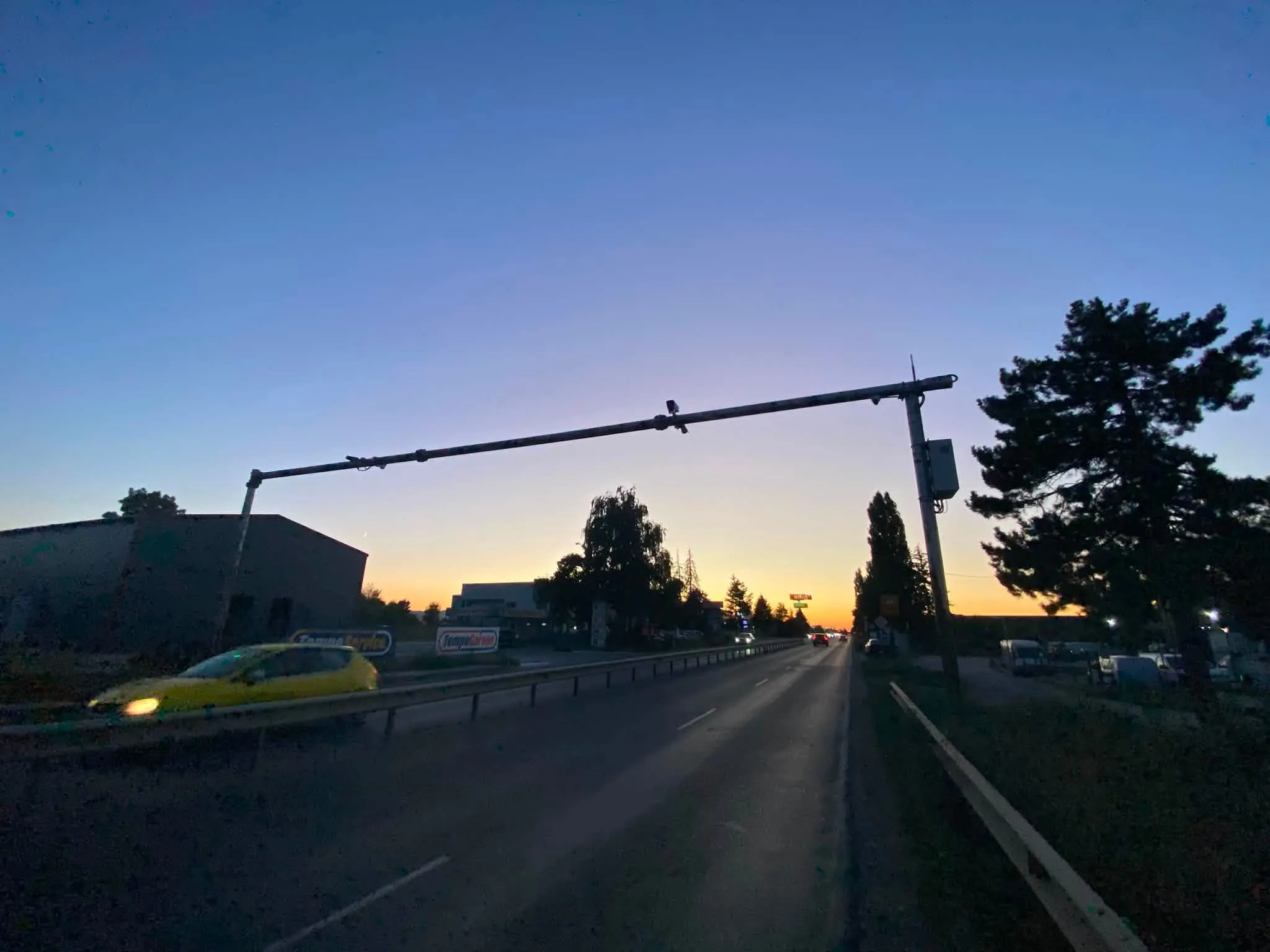
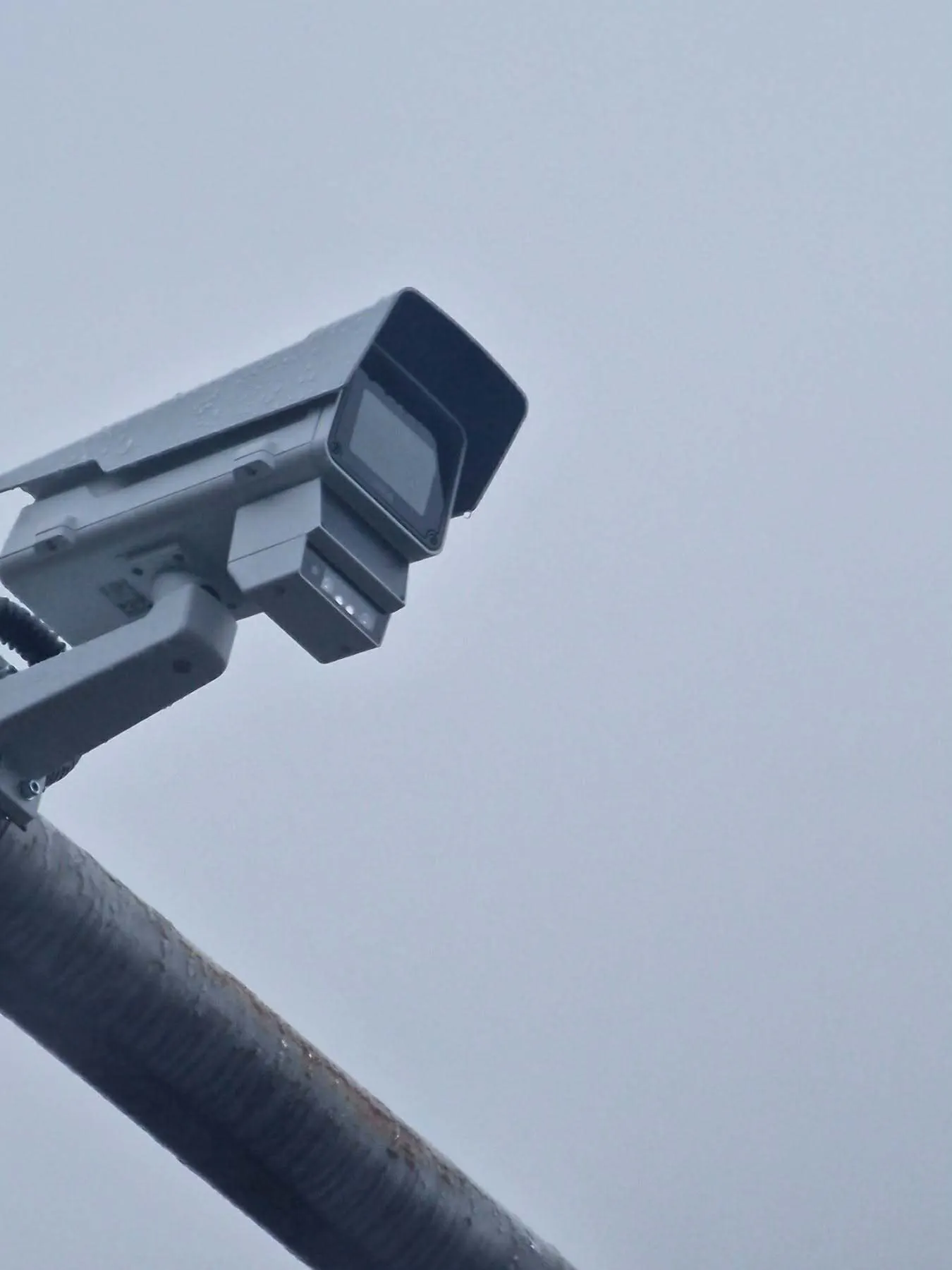
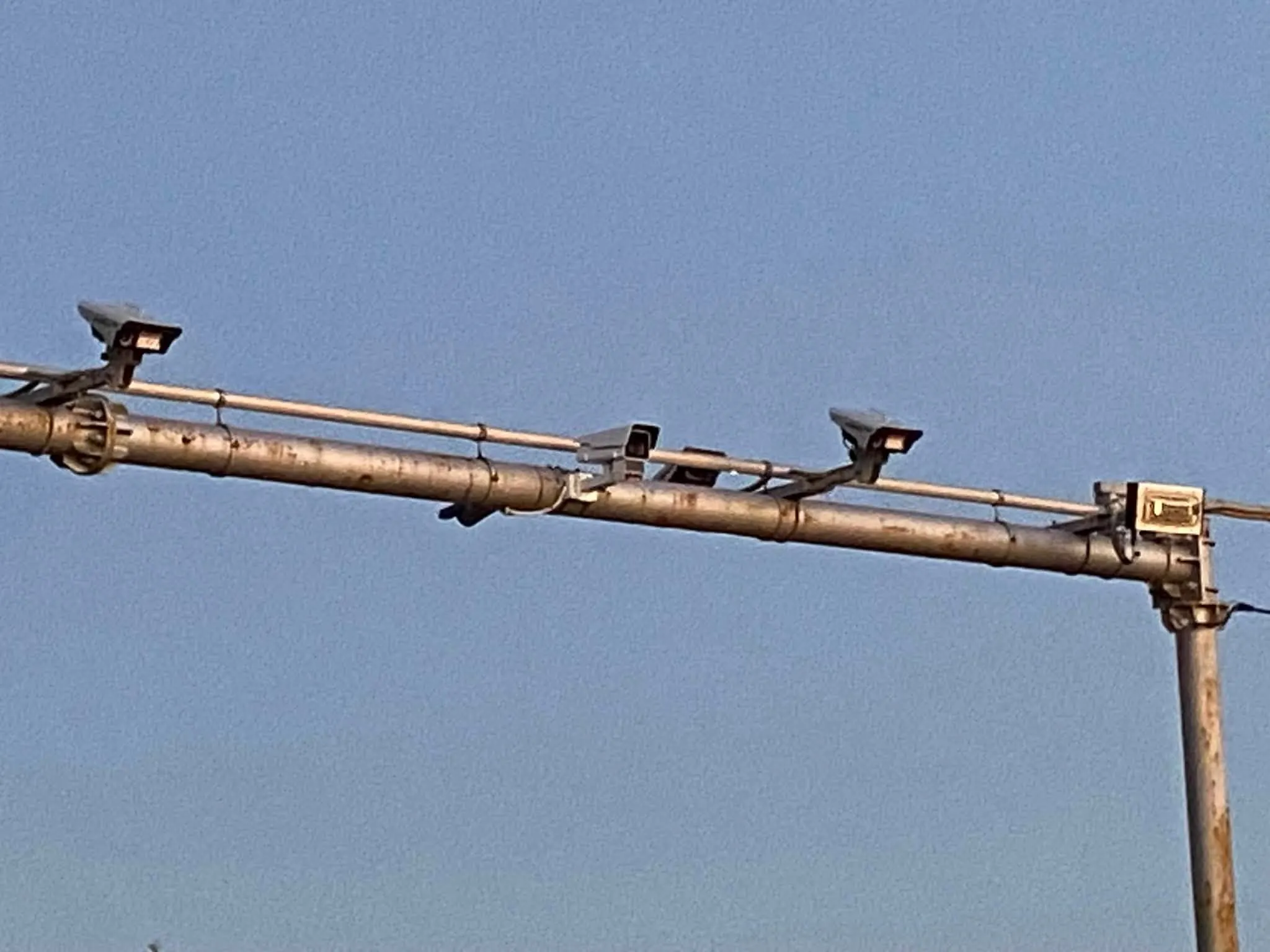
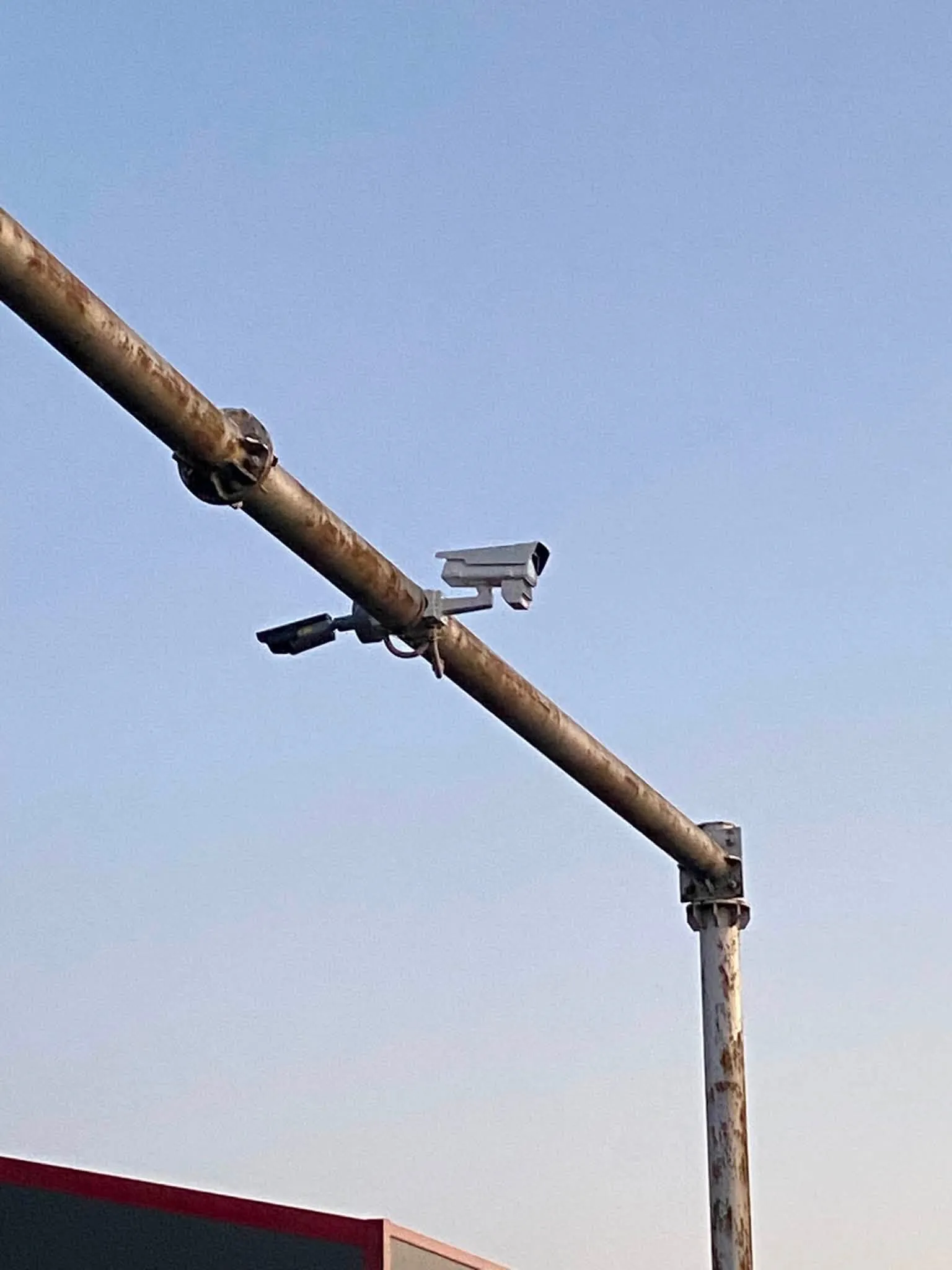
Most of the new cameras are not going onto new poles. They are being fitted to existing toll gantries and structures already owned by the Road Infrastructure Agency — frames that have spanned the carriageway for years and that you have driven under thousands of times without a second glance.
That is where the speed of the rollout comes from. No construction, no new pole to design and certify: the camera is relatively cheap, it is already approved, and it goes onto a structure that is standing. Municipalities are buying the same model for the same reason.
Where they are already installed
The list grows every week. Confirmed locations so far include:
- Kostinbrod — at both the entrance and the exit of the town
- Ruse
- Etropole — 50 km/h limit, shooting in both directions
- Sofia, Evropa Boulevard — at the Jumbo turn-off, both directions, 50 km/h limit
- Bozhurishte — on the toll gantries, 50 km/h limit
- Tsarna Matsa — on the toll gantries
- Vlado Trichkov — on the toll gantries
- The Sofia ring road at Suhodol
Notice how many of those points sit at 50 km/h. These are not motorway stretches where speeding is obvious and deliberate. These are places where 70 km/h happens on its own — on a downhill, on an empty boulevard, mid-overtake.
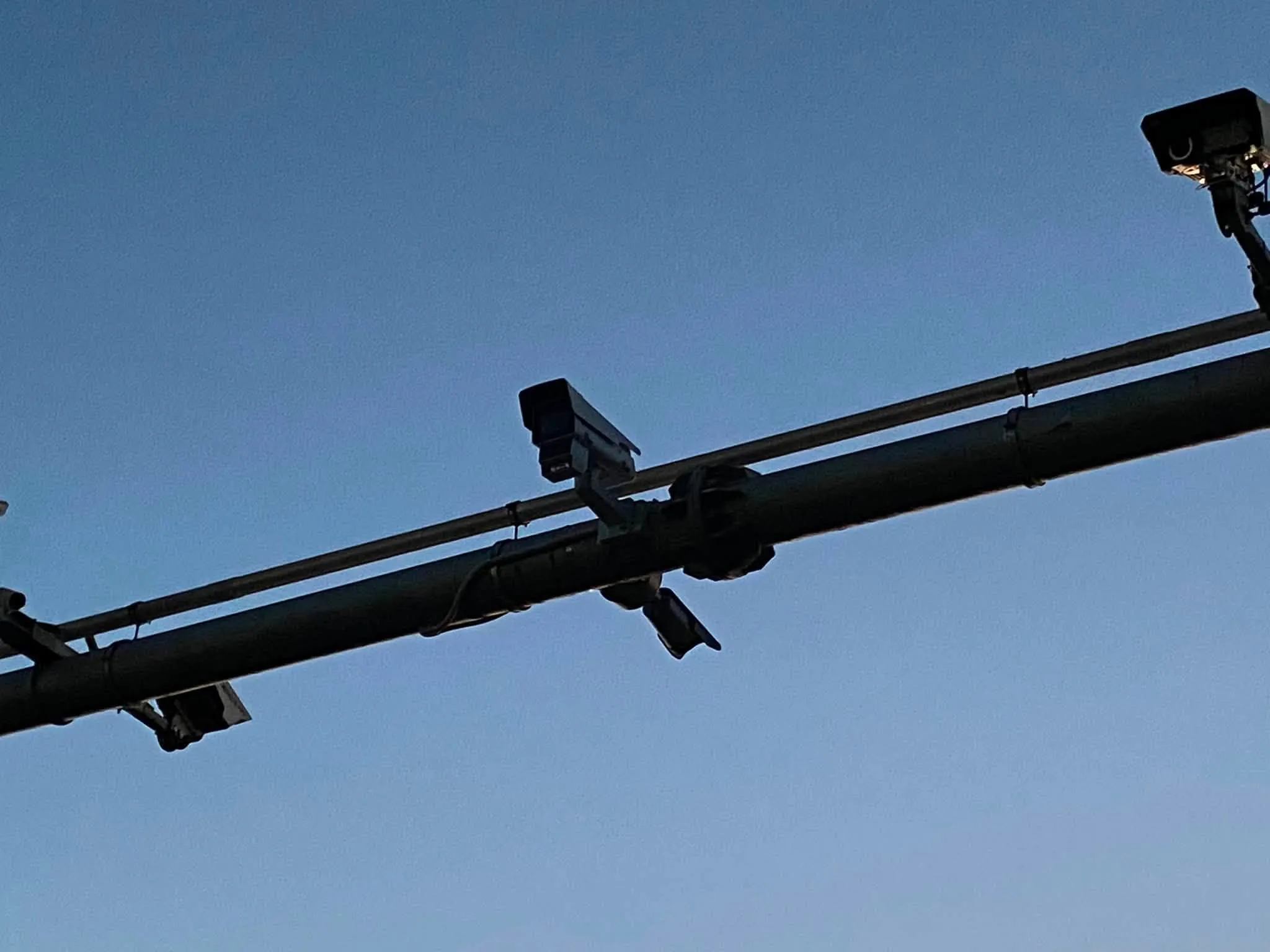
That is where it stings. Nobody drives into Etropole intending to do 70. They simply did not glance at the speedometer at the one spot that counted.
How many points are expected in total
The rollout is happening in stages and is nowhere near finished. A publicly available map of the expected locations puts the figure at roughly 330 points nationwide — from Vidin to Malko Tarnovo, along the main roads and at the entrances to towns.
Some are already live. Others are frames still waiting for their camera. From a moving car you cannot tell the two apart, which is a good argument for treating every gantry as active.
Fixed cameras are only half the picture
While attention is on the new fixed cameras, Bulgaria also runs 78 average-speed sections. Those are a different problem entirely.
A fixed camera gives you one point and one moment: you are clocked where you are, at the speed you are doing. An average-speed section reads you in at one end and out at the other, then divides distance by time. Braking hard in front of the camera does nothing, because there is no single camera to brake for — the whole stretch is the measurement.
The two overlap. It is entirely possible to pass the new fixed camera cleanly and still collect a notice for your average speed across the section you were in.
How to stop a fine catching you out
At TollTracker we keep the Bulgarian database current: 461 speed cameras, 364 red-light cameras and 78 average-speed sections. New points go onto the map as soon as they are confirmed.
The app does two things that matter for exactly this situation:
- It warns you before the camera — early enough to check your speedometer calmly instead of stamping on the brakes at the last second.
- It measures your average speed live through the sections — you can see what the system is reading while you are still inside the stretch, not when the envelope lands.
Browse every speed camera in Bulgaria or check the average-speed sections on the map.
If you drive these roads regularly, download TollTracker — the point is not to outsmart the camera, it is to know where it is before you have already passed it.
We will keep following the rollout and updating the map with every confirmed new point. Safe journeys, and an empty letterbox.
TollTracker for iOS and Android
Speed cameras, average speed and enforcement zones, always up to date.